
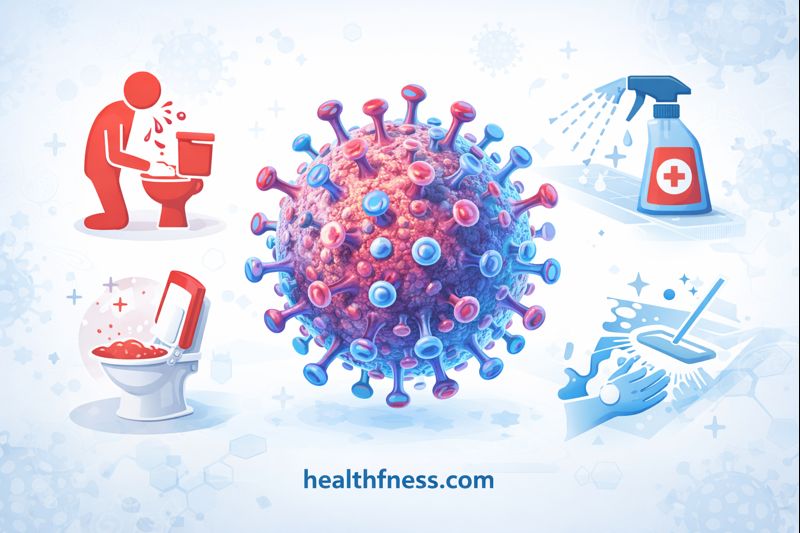
Norovirus is a highly contagious virus that causes sudden vomiting and diarrhea and is the leading cause of acute gastroenteritis worldwide and in the United States. It spreads quickly in crowded places like schools, cruise ships, nursing homes, and restaurants, and even a very small number of viral particles can make someone sick.

What Is Norovirus?
Norovirus is sometimes called the “stomach flu,” but it is not related to influenza, which mainly affects the respiratory system. Norovirus infects the stomach and intestines, causing inflammation known as acute gastroenteritis that leads to nausea, vomiting, diarrhea, and stomach cramps.
Anyone can get norovirus, and people of all ages are affected during outbreaks. In the U.S. alone, norovirus causes millions of illnesses, tens of thousands of hospitalizations, and hundreds of deaths each year, especially in older adults and people with weakened immune systems.
How Common Is Norovirus in 2024–2025?
During the 2024–2025 norovirus season, outbreaks have increased compared with several previous years, according to CDC surveillance systems such as NoroSTAT and NREVSS. From August 2024 through early 2025, participating states reported outbreak numbers above the range seen in the 2012–2020 and 2021–2024 seasons, and test positivity rates have been more than double those of the prior year.
Recent data also show a shift in circulating norovirus strains, with the GII.17 variant becoming dominant and the season starting earlier than usual, with peak activity around January 2025. These trends help explain why more people are experiencing “stomach bugs” and sudden GI illness this winter.
Symptoms

Norovirus symptoms usually begin suddenly 12 to 48 hours after exposure and can range from mild to severe. The most common symptoms are nausea, vomiting, watery diarrhea, and stomach pain or cramps, often accompanied by headache, body aches, and a low-grade fever.
Most healthy people feel very sick for 1 to 3 days but then recover without long-term problems. However, dehydration can develop quickly, especially in babies, young children, older adults, and people with chronic illnesses, and may require medical care or even hospitalization.
How it Spreads
It spreads extremely easily through the fecal–oral route, which means people become infected by swallowing tiny amounts of virus from contaminated hands, food, water, or surfaces. It can spread through direct contact with someone who is sick, sharing utensils or food, touching contaminated doorknobs or countertops, or consuming foods handled by an infected person.
People with norovirus are most contagious when they have symptoms like vomiting and diarrhea, but they can shed the virus before symptoms start and for at least a few days after they feel better. Some studies show that norovirus can be present in stool for two weeks or longer after recovery, which is why outbreaks can be difficult to control.
Incubation Period and How Long You Are Contagious
The incubation period for norovirus is typically 12 to 48 hours, meaning symptoms usually appear within one to two days after exposure. Scientific analyses of multiple outbreaks estimate a median incubation period of about 1.2 days for common norovirus genogroups.
Most people recover within 1 to 3 days but can remain contagious for at least 48 hours after symptoms stop, and the virus can continue to be shed in stool for two weeks or more. Public health agencies recommend staying home from work, school, or child care for at least 48 hours after the last episode of vomiting or diarrhea to reduce the risk of spreading infection.
Who Is at Highest Risk?
Anyone can get sick from norovirus, but some groups are more likely to experience severe illness or complications. These include young children, adults 65 and older, pregnant people, and individuals with weakened immune systems or underlying health conditions.
In these higher-risk groups, norovirus can lead to significant dehydration that may require intravenous fluids and close monitoring in a clinic or hospital. Signs of worrisome dehydration include dry mouth, decreased urine, dark urine, dizziness, extreme fatigue, or in children, fewer wet diapers and unusual sleepiness or irritability.
Complications
The main complication of norovirus is dehydration caused by repeated vomiting and diarrhea, which leads to loss of fluids and electrolytes such as sodium and potassium. Without prompt fluid replacement, dehydration can cause rapid heart rate, low blood pressure, confusion, or fainting, especially in vulnerable individuals.
Severe dehydration can be life-threatening if not treated and is a major reason for norovirus-related hospitalizations and deaths each year. In rare cases, norovirus outbreaks in healthcare facilities can lead to serious outcomes in frail or elderly patients, making early detection and strict infection control measures essential.
Diagnosis?
Most norovirus infections are diagnosed clinically based on symptoms and the setting, such as multiple people becoming sick with vomiting and diarrhea in the same household, school, or facility. Healthcare providers usually do not need lab tests for mild cases in otherwise healthy people, because symptoms typically improve on their own.
During outbreaks or in hospitalized patients, stool tests using PCR can detect norovirus and help confirm the cause of gastroenteritis. Public health laboratories and surveillance programs use these tests to track circulating strains and identify outbreaks, which guides recommendations for prevention and control.
Treatment?
There is currently no specific antiviral medicine that cures norovirus, and antibiotics do not work because norovirus is a virus, not a bacteria. Treatment focuses on relieving symptoms, resting, and preventing dehydration by drinking plenty of fluids. Oral rehydration solutions are especially helpful for replacing lost electrolytes.
For severe cases, hospitalization may be needed for intravenous fluids and close monitoring. There is no vaccine for norovirus, so prevention is the best strategy.
Prevention: How Can You Avoid Norovirus?
Preventing norovirus infection involves strict hand hygiene, thorough cleaning of surfaces, and careful food handling. Wash hands with soap and water for at least 20 seconds, especially after using the bathroom, changing diapers, and before preparing or eating food.
Disinfect contaminated surfaces with a bleach-based cleaner, and wash contaminated clothing or linens separately. Avoid sharing utensils or food with sick individuals, and stay home when sick to prevent spreading the virus.
Frequently Asked Questions
What is norovirus?
Norovirus is a highly contagious virus that causes sudden vomiting and diarrhea, and is the leading cause of acute gastroenteritis worldwide.
How does norovirus spread?
Norovirus spreads through contaminated hands, food, water, or surfaces, and is highly contagious even before symptoms appear.
How long is norovirus contagious?
People are contagious from the start of symptoms and can remain contagious for at least 48 hours after symptoms stop, sometimes for up to two weeks.
What are the symptoms of norovirus?
Symptoms include nausea, vomiting, diarrhea, stomach pain, headache, body aches, and low-grade fever.
How can I prevent norovirus?
Wash hands frequently, disinfect surfaces, avoid sharing food or utensils with sick people, and stay home when ill.
Who is most at risk from norovirus?
Young children, older adults, pregnant people, and those with weakened immune systems are at highest risk for complications.
Is there a treatment for norovirus?
There is no specific medicine, but symptoms can be managed by resting and staying hydrated. Severe cases may require hospitalization.
References and Sources
- CDC – About Norovirus
- Mayo Clinic – Norovirus Diagnosis & Treatment
- Mayo Clinic – Norovirus Symptoms & Causes
- Cleveland Clinic – Norovirus Overview
- Fast Company – Norovirus Outbreak 2025
- CDPH – Norovirus Information
- Contemporary Pediatrics – CDC Norovirus Data
Disclaimer: This article is for informational purposes only and does not constitute medical advice. Consult with a qualified healthcare provider before starting any treatment. Individual results may vary based on health status and adherence to prevention guidelines.

Dr. Mark Jenkins, MD - General Physician (California, USA)
Dr. Mark Jenkins is a board-certified general physician based in the United States, specializing in preventive medicine, nutrition, and lifestyle health. With years of clinical experience in primary care, he is dedicated to helping patients and readers alike make informed, science-based decisions about their well-being.
As a trusted medical reviewer and contributor to Healthfness.com, Dr. Jenkins ensures that all health content meets the highest standards of accuracy, safety, and evidence-based medicine. His expertise bridges modern medical science with practical, everyday wellness strategies, making complex topics approachable for all audiences.
Outside the clinic, Dr. Jenkins is passionate about living the healthy lifestyle he teaches. He enjoys hiking with his dog, experimenting with vegetarian cooking, and exploring the latest health research. He believes that small, consistent lifestyle changes lead to lasting health improvements, and he aims to inspire readers to take proactive steps toward a healthier, happier life.
Explore more of Dr. Jenkins’ evidence-based insights at Healthfness.com