
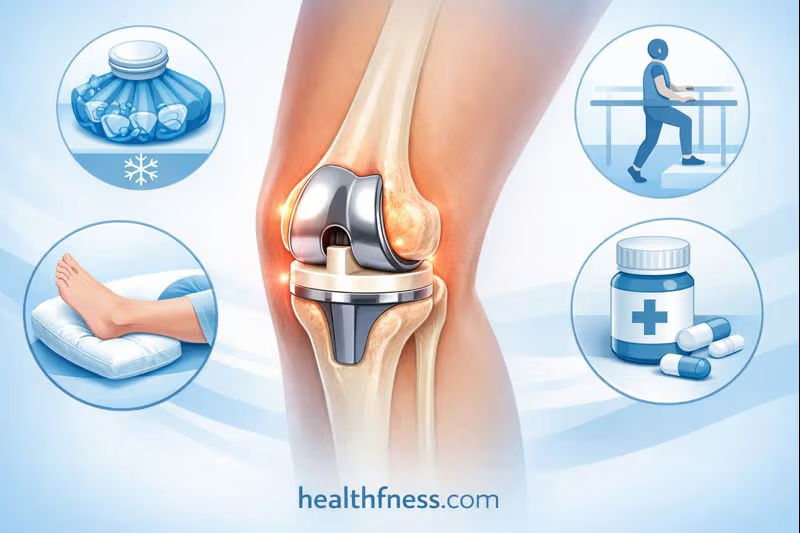
The first week after total knee replacement surgery is the most challenging phase of recovery, marked by significant pain, swelling, and limited mobility as your body begins healing. Understanding what to expect during the first week after total knee replacement surgery and following proper care protocols can dramatically improve your recovery outcomes and set the foundation for long-term success.

What Happens in the First Week After Total Knee Replacement Surgery?
During the first week after total knee replacement surgery, you will experience acute pain and swelling as the body initiates the healing process. Most patients remain in the hospital for 2-3 days for monitoring and initial rehabilitation before being discharged home to continue recovery.
Rehabilitation begins immediately in the first week after total knee replacement surgery, with physical therapists helping you move your knee joint while still in bed. Within 24 hours, you will start walking short distances using a walker or crutches under supervised assistance. This early movement is critical for preventing blood clots, reducing stiffness, and promoting circulation.
Pain Management During the First Week After Total Knee Replacement Surgery
Pain management is one of the most important aspects of the first week after total knee replacement surgery. Your doctor will prescribe a combination of pain medications, including acetaminophen, NSAIDs, and possibly opioids for severe pain. Taking medications as directed helps control discomfort and enables you to participate in necessary physical therapy exercises.

Ice therapy is highly effective for reducing both pain and swelling during the first week after total knee replacement surgery. Apply ice packs for 20 minutes, followed by 20 minutes off, repeating this cycle several times throughout the day. Keep your leg elevated above heart level for 4-6 hours daily to improve circulation and reduce fluid buildup around the surgical site.
Exercises and Physical Therapy in Week One
Physical therapy exercises begin on day one of the first week after total knee replacement surgery and are essential for regaining range of motion, strength, and mobility. Your physical therapist will guide you through specific exercises tailored to your recovery stage, focusing on gentle movements that prevent stiffness without overstraining the joint.
Common exercises during the first week after total knee replacement surgery include ankle pumps, quadriceps sets, straight leg raises, and gentle knee bends. Standing exercises may include heel slides, mini squats, and leg lifts using a walker for support. Perform each exercise 10 times, twice daily, gradually increasing intensity as your strength improves.
Managing Swelling and Inflammation
Swelling is normal during the first week after total knee replacement surgery and can extend throughout the entire leg, not just the knee. Reducing inflammation requires a combination of elevation, ice therapy, compression bandages, and anti-inflammatory medications prescribed by your doctor.
Keep your surgical leg elevated as much as possible during the first week after total knee replacement surgery, especially when resting or sleeping. Use pillows to prop your leg above heart level, which helps drain excess fluid and reduces pressure on the joint. Compression stockings or bandages also help control swelling and prevent blood clots.
Balancing Rest and Activity
Finding the right balance between rest and activity during the first week after total knee replacement surgery is crucial for optimal recovery. Too much rest can cause stiffness and increase the risk of blood clots, while excessive activity can worsen pain and swelling. The key is alternating short periods of activity with adequate rest.
After completing exercises or walking in the first week after total knee replacement surgery, lie down and elevate your knee while applying ice. This rhythm allows your body to heal while gradually building strength and mobility. Listen to your body and avoid pushing through severe pain, but remember that mild discomfort during movement is normal and expected.
What to Expect: Mobility and Daily Activities
During the first week after total knee replacement surgery, your mobility will be limited, and you will need assistance with most daily activities. You will use a walker or crutches for all movement, and simple tasks like getting in and out of bed, using the bathroom, and bathing will require extra time and effort.
Most patients can walk short distances within the home by the end of the first week after total knee replacement surgery, though you should always have assistance nearby. Avoid stairs if possible, or use them only when necessary with help. Your goal is to gradually increase walking distance each day while maintaining proper form and balance.
Tips for a Successful First Week
Keep the joint moving continuously with mild, gentle movements throughout the first week after total knee replacement surgery. This counterintuitive advice helps improve pain, circulate blood, prevent clots, and reduce swelling. The more you move within safe limits, the faster your recovery will progress.
Prepare your home before surgery by creating a comfortable recovery space on the main floor with easy access to essentials. Stock up on groceries, arrange for help with household chores, and set up a medication schedule. Having everything organized in advance reduces stress during the first week after total knee replacement surgery and allows you to focus entirely on healing.
Frequently Asked Questions
What should I expect in the first week after total knee replacement surgery?
Expect significant pain, swelling, and limited mobility. You will start physical therapy immediately, use a walker or crutches, and need help with daily activities. Most patients are discharged home by day 2-3.
How can I manage pain during the first week?
Take prescribed pain medications as directed, apply ice for 20 minutes every few hours, keep your leg elevated above heart level, and use compression bandages to control swelling.
What exercises should I do in the first week?
Perform ankle pumps, quadriceps sets, straight leg raises, heel slides, and gentle knee bends. Do each exercise 10 times, twice daily, under the guidance of your physical therapist.
How long does swelling last after knee replacement?
Swelling is most severe during the first 2 weeks but can persist for several months. Elevation, ice, and compression help reduce swelling significantly.
When can I walk after knee replacement surgery?
You will start walking with assistance within 24 hours of surgery using a walker or crutches. Gradually increase distance each day while maintaining proper form.
How much rest do I need during the first week?
Balance activity with rest. Elevate your leg for 4-6 hours daily and rest between exercise sessions, but avoid staying immobile for long periods to prevent stiffness and clots.
References and Sources
- OrthoSportsMed – Helpful Tips for the First Week After Total Knee Replacement
- Cleveland Clinic – Knee Replacement Recovery Time
- Stone Clinic – Rehab in the First Two Weeks After Knee Surgery
- Integrity Orthopedics – Phases of Recovery After Knee Replacement
- Gleneagles Hospital – Managing Pain and Swelling After Knee Replacement
- Horder Centre – First Week After Total Knee Replacement Recovery Tips
- Allina Health – Pain Relief After Knee Replacement Surgery
- Johns Hopkins Medicine – Total Knee Replacement
- American Academy of Orthopaedic Surgeons – Total Knee Replacement
Disclaimer: This article is for informational purposes only and does not constitute medical advice. Consult with a qualified healthcare provider before starting any treatment or exercise program. Individual recovery times and experiences may vary based on health status and adherence to medical guidance.

Dr. Mark Jenkins, MD - General Physician (California, USA)
Dr. Mark Jenkins is a board-certified general physician based in the United States, specializing in preventive medicine, nutrition, and lifestyle health. With years of clinical experience in primary care, he is dedicated to helping patients and readers alike make informed, science-based decisions about their well-being.
As a trusted medical reviewer and contributor to Healthfness.com, Dr. Jenkins ensures that all health content meets the highest standards of accuracy, safety, and evidence-based medicine. His expertise bridges modern medical science with practical, everyday wellness strategies, making complex topics approachable for all audiences.
Outside the clinic, Dr. Jenkins is passionate about living the healthy lifestyle he teaches. He enjoys hiking with his dog, experimenting with vegetarian cooking, and exploring the latest health research. He believes that small, consistent lifestyle changes lead to lasting health improvements, and he aims to inspire readers to take proactive steps toward a healthier, happier life.
Explore more of Dr. Jenkins’ evidence-based insights at Healthfness.com