
Living with varicose veins can be a daily challenge. The aching, throbbing, and heavy sensation in your legs, coupled with their visible, twisted appearance, can impact everything from your comfort to your confidence. In the search for relief, many people turn to natural home remedies, and one name that consistently comes up is castor oil. Praised for centuries in traditional medicine, this thick, plant-derived oil is often touted as a soothing solution for a variety of ailments.

But can you really use castor oil for varicose veins and expect meaningful results? Is it a hidden gem for managing discomfort, or just another internet myth? This comprehensive guide will delve deep into the science, benefits, risks, and practical applications of using castor oil for varicose vein symptoms. We will separate fact from fiction, examine the evidence, and provide you with a clear, trustworthy roadmap to help you make an informed decision about your vein health. Our goal is to empower you with knowledge, moving beyond anecdotal claims to provide an expert-backed perspective on whether this ancient remedy has a place in your modern wellness routine.
Understanding Varicose Veins: More Than Just a Cosmetic Issue
Before exploring any potential remedy, it’s crucial to understand the condition itself. Varicose veins are not simply a cosmetic problem; they are a sign of an underlying medical issue related to your circulatory system known as chronic venous insufficiency (CVI).
What Are Varicose Veins?
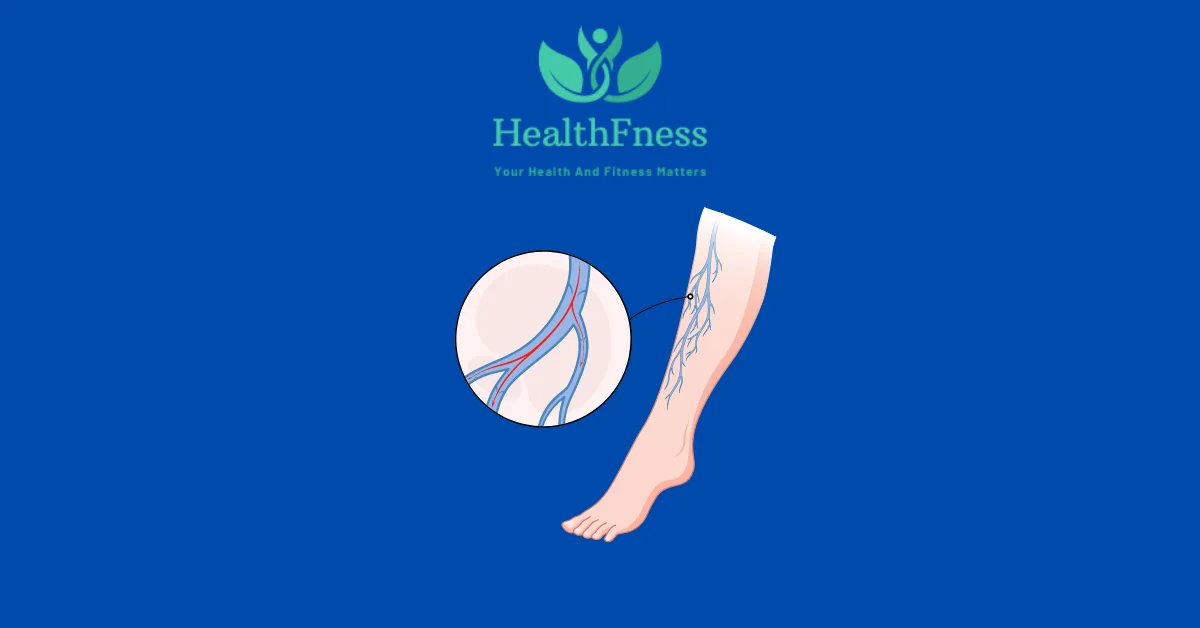
Varicose veins are enlarged, swollen, and twisted veins that appear blue or dark purple. They develop when the tiny, one-way valves inside your veins become weak or damaged. In healthy veins, these valves open to let blood flow toward your heart and then close to prevent it from flowing backward. When these valves fail, blood can flow in the wrong direction and pool in the vein. This buildup of blood increases pressure, causing the vein to stretch, bulge, and twist.
What Causes Varicose Veins?
The root cause of varicose veins is weakened vein valves and walls, leading to chronic venous insufficiency. Several factors can increase your risk of developing this condition, including:
- Genetics: A family history of varicose veins is one of the strongest risk factors. If your parents have them, your chances of developing them are significantly higher.
- Age: As you get older, the natural wear and tear on your vein valves can cause them to weaken and function less effectively.
- Gender: Women are more likely to develop varicose veins. Hormonal changes during pregnancy, pre-menstruation, and menopause can relax vein walls, contributing to the problem.
- Pregnancy: The increased blood volume, pressure from the growing uterus, and hormonal shifts during pregnancy can all contribute to the formation of varicose veins.
- Obesity: Excess body weight puts additional pressure on your veins, particularly in the legs.
- Prolonged Standing or Sitting: Jobs or lifestyles that require you to be on your feet or seated for long periods can hinder proper blood flow, causing blood to pool in your leg veins.
Common Symptoms and Potential Complications
While some people may only be concerned with the appearance of varicose veins, many experience a range of uncomfortable symptoms, such as:
- An aching or heavy feeling in the legs
- Throbbing, burning, or cramping sensations
- Swelling in the lower legs, ankles, and feet
- Itchy skin over the affected vein (venous stasis dermatitis)
- Skin discoloration around the varicose vein

If left untreated, chronic venous insufficiency can lead to more severe complications, including skin ulcers that are difficult to heal, superficial thrombophlebitis (blood clots in veins just under the skin), and in rare cases, deep vein thrombosis (DVT), a more serious condition involving blood clots in deeper veins.
What is Castor Oil and Why is it So Popular?
Castor oil is a vegetable oil produced by pressing the seeds of the Ricinus communis plant. It has been a staple in traditional and folk medicine across the world for thousands of years, used for everything from a laxative to a skin moisturizer. Its recent surge in popularity as a remedy for vein-related discomfort is tied to its unique chemical composition.
The Source and Composition of Castor Oil
This thick, pale-yellow liquid is distinct from other vegetable oils due to its high concentration of a specific fatty acid. While it contains a mix of triglycerides, its therapeutic properties are largely attributed to one key active compound.
The Power of Ricinoleic Acid: The Key Active Compound
Approximately 90% of the fatty acid content in castor oil is ricinoleic acid, a rare unsaturated omega-9 fatty acid. Medical research has identified ricinoleic acid as the primary component responsible for castor oil’s reputed health benefits. Its molecular structure allows it to have profound effects on the body’s tissues, particularly when it comes to inflammation and pain signaling.
The Claimed Benefits of Castor Oil for Varicose Vein Symptoms
When people apply castor oil to their legs, they are hoping to leverage the properties of ricinoleic acid to alleviate the symptoms associated with varicose veins. While it’s crucial to state that castor oil cannot repair damaged vein valves or make varicose veins disappear, it may offer temporary, symptomatic relief in several ways.
Anti-Inflammatory Properties
One of the most well-documented benefits of ricinoleic acid is its anti-inflammatory action. Varicose veins often involve localized inflammation, which contributes to pain, tenderness, and swelling. A study published in Naunyn-Schmiedeberg’s Archives of Pharmacology back in 2000 demonstrated that ricinoleic acid has “remarkable” anti-inflammatory and pain-reducing (analgesic) effects in animal studies, comparable to some conventional treatments. When applied topically, it may help to calm the inflammatory response in the tissues surrounding the affected veins, thus reducing swelling and discomfort.
Improving Blood Circulation and Lymphatic Drainage
The act of massaging any oil onto the skin can help stimulate surface-level blood flow. However, proponents of castor oil believe its benefits go deeper. The theory is that castor oil’s ability to penetrate the skin, combined with its anti-inflammatory properties, can support better circulation and stimulate lymphatic drainage. The lymphatic system helps remove waste and excess fluid from tissues. By potentially reducing inflammation and supporting this system, castor oil massage may help alleviate the feeling of heaviness and reduce swelling associated with blood and fluid pooling.
Moisturizing and Soothing the Skin
Chronic venous insufficiency can lead to changes in the skin over and around varicose veins. The skin can become dry, itchy, thin, and discolored, a condition known as stasis dermatitis. Castor oil is an excellent emollient, meaning it moisturizes and soothes the skin. Applying it can help hydrate dry patches, reduce itchiness, and improve the skin’s protective barrier, making the area feel more comfortable.
Pain Relief (Analgesic Effects)
The pain associated with varicose veins is often a dull ache or a throbbing sensation. The analgesic properties of ricinoleic acid, as noted in the 2000 study, suggest that topical application of castor oil could help reduce these pain signals. By decreasing inflammation, it may alleviate the pressure on surrounding nerves, providing a degree of pain relief for some individuals.
Risks, Side Effects, and Important Precautions
While generally considered safe for topical use, castor oil is not without potential risks, and it is not suitable for everyone or every situation. Prioritizing safety is paramount when trying any new home remedy.
Potential for Skin Irritation and Allergic Reactions
Though uncommon, some people can have an allergic reaction or skin sensitivity to castor oil. This can manifest as redness, itching, or a rash. This is why performing a patch test before applying it to a large area is a non-negotiable first step.
Who Should Avoid Using Castor Oil?
- Pregnant Women: Castor oil is famously known to induce labor when taken orally. While the risk from topical application is considered low, the Cleveland Clinic and other health authorities advise pregnant women to avoid using it without explicit approval from their doctor to prevent any potential complications.
– Breastfeeding Mothers: There is insufficient research on the safety of topical castor oil while breastfeeding. It is best to err on the side of caution and consult a healthcare provider.
- Individuals with Broken Skin or Ulcers: Never apply castor oil to open wounds, cuts, or venous skin ulcers. Doing so can introduce bacteria, worsen the condition, and prevent proper healing. The area must be intact skin only.
The Critical Distinction: Symptom Management vs. Cure
This is the most important takeaway: Castor oil is not a cure for varicose veins. It does not address the root cause of the problem, the faulty vein valves. At best, it is a supportive measure to help manage surface-level symptoms like pain, swelling, and skin dryness. Relying on it as a primary treatment can be dangerous, as it may delay you from seeking proper medical evaluation, allowing the underlying venous insufficiency to progress and potentially lead to more serious complications.
The Current Science: What Do Studies Actually Say?
In the age of evidence-based medicine, it is essential to look at what scientific research reveals about the claims surrounding castor oil for varicose veins. The reality is that the evidence is indirect but biologically plausible for symptom relief.
Evidence for Ricinoleic Acid’s Anti-Inflammatory Effects
The scientific support for castor oil primarily centers on the properties of ricinoleic acid. As mentioned, early studies confirmed its anti-inflammatory and analgesic effects. A 2015 review in the journal Mediators of Inflammation further explored how certain fatty acids can influence inflammatory pathways in the body. While these studies were not conducted on varicose vein patients specifically, they provide a scientific basis for why castor oil might help reduce the inflammation and pain associated with the condition.
Research on Transdermal Absorption
For a topical remedy to work, its active components must be absorbed through the skin. Research has shown that castor oil can enhance the transdermal penetration of other drugs, suggesting its components can also be absorbed to some degree. A 2017 study in the International Journal of Pharmaceutics highlighted this property. This lends credibility to the idea that ricinoleic acid applied to the skin can reach the underlying tissues to exert its effects.
The Verdict: An Evidence-Based Perspective
Currently, there are no direct clinical trials that have tested the effectiveness of topical castor oil specifically for treating varicose veins or chronic venous insufficiency in humans. All evidence is either anecdotal (personal stories) or inferred from basic science research on its active compound. Therefore, from a strictly medical standpoint, castor oil is an unproven treatment for the condition itself. However, based on its known anti-inflammatory, analgesic, and moisturizing properties, it can be reasonably considered a safe, low-cost supportive therapy for managing some of the uncomfortable symptoms, provided proper safety precautions are followed.
Comparison: Castor Oil vs. Other Treatments for Varicose Veins
To put castor oil in perspective, it’s helpful to see how it stacks up against other conservative measures and professional medical treatments for varicose veins.
| Treatment | Mechanism | Target | Effectiveness | Cost | Professional Help Needed? |
|---|---|---|---|---|---|
| Castor Oil (Topical) | Anti-inflammatory, analgesic, and moisturizing effects from ricinoleic acid. | Symptoms (pain, swelling, skin dryness) | Temporary, supportive relief. Not a cure. | Low | No (but consultation recommended) |
| Compression Stockings | Applies gentle, graduated pressure to legs to support veins and improve blood flow back to the heart. | Symptoms & Blood Flow | Highly effective for symptom management and slowing progression. | Low to Moderate | Fitting by a professional is recommended. |
| Lifestyle Changes | Exercise, weight management, leg elevation, and avoiding prolonged static positions. | Root Cause & Symptoms | Essential for management and prevention. | Low (or free) | No |
| Sclerotherapy | A solution is injected into the vein, causing it to scar, collapse, and be reabsorbed by the body. | Root Cause (damaged vein) | Permanent, long-term solution for treated vein. | Moderate to High | Yes (Vein Specialist) |
| Endovenous Ablation | Uses heat from a laser or radiofrequency to seal the damaged vein shut from the inside. | Root Cause (damaged vein) | Permanent, long-term solution for treated vein. | High | Yes (Vein Specialist) |
How to Use Castor Oil for Varicose Veins Safely and Effectively
If you and your doctor decide that trying topical castor oil is a reasonable option for managing your symptoms, it’s important to use it correctly.
Step 1: Choosing the Right Castor Oil
For the best quality, look for castor oil that is:
- Cold-pressed: This method of extraction avoids heat, which helps preserve the beneficial compounds in the oil.
- Hexane-free: Hexane is a chemical solvent sometimes used in the extraction process. Choosing a hexane-free product ensures a purer oil.
- Organic: This ensures the castor beans were grown without synthetic pesticides or fertilizers.
- Packaged in a dark glass bottle: This protects the oil from light, which can cause it to degrade and go rancid.
Step 2: The Essential Patch Test
Before applying castor oil to your entire leg, you must perform a patch test to check for sensitivity.
- Apply a small, dime-sized amount of castor oil to a discreet area of skin, like the inside of your wrist or elbow.
- Cover it with a bandage and leave it for 24 hours.
- After 24 hours, remove the bandage and check for any signs of redness, itching, swelling, or irritation.
- If your skin looks and feels normal, you can proceed with using the oil on a larger area. If you have a reaction, do not use the oil.
Method 1: Direct Massage
This is the simplest method for applying castor oil.
- Prepare the Area: Start with clean, dry skin.
- Warm the Oil (Optional): Pour a small amount of castor oil into your palms and rub them together to warm it slightly. You can also place the bottle in a bowl of warm water for a few minutes. Warm oil can feel more soothing and may absorb better.
- Apply Gently: Gently massage the oil onto the skin over and around your varicose veins.
- Use Upward Strokes: Always massage in the direction of your heart. For your legs, this means using gentle, upward strokes from your ankles toward your knees and thighs. This technique is thought to help encourage blood flow in the correct direction. Do not apply deep pressure directly on the bulging veins.
- Repeat: You can perform this massage once or twice daily.
Method 2: Creating a Castor Oil Pack
A castor oil pack is a more intensive treatment that allows the oil to penetrate for a longer period.
- Gather Supplies: You will need castor oil, a piece of wool or cotton flannel large enough to cover the affected area, a piece of plastic wrap, and a warm water bottle or heating pad.
- Saturate the Cloth: Pour castor oil onto the flannel until it is saturated but not dripping.
- Position the Pack: Place the oil-soaked flannel directly onto the skin over your varicose veins.
- Cover and Apply Heat: Cover the flannel with the plastic wrap to prevent staining. Place a warm water bottle or a heating pad set to low on top of the plastic. The warmth helps enhance the oil’s penetration.
- Relax: Leave the pack in place for 30 to 60 minutes. This is a good time to elevate your legs.
- Clean Up: After removing the pack, you can massage the remaining oil into your skin or wipe it off with a cloth. The flannel can be stored in a sealed bag in the refrigerator and reused several times.
Frequently Asked Questions (FAQs)
Here are answers to some of the most common questions about using castor oil for varicose veins.
- How long does it take to see results with castor oil for varicose veins?
- Results are highly individual and are related to symptom relief, not a cure. Some people may feel a reduction in pain, swelling, or skin itchiness within a few days or weeks of consistent use. However, castor oil will not make the visible veins disappear, regardless of how long you use it.
- Can castor oil get rid of spider veins?
- Similar to varicose veins, castor oil cannot eliminate spider veins. Spider veins are dilated capillaries close to the skin’s surface. While the oil may improve skin health and perhaps temporarily reduce associated inflammation, it cannot repair or remove these blood vessels. Proven treatments for spider veins include sclerotherapy and laser therapy.
- What does a “before and after” using castor oil for varicose veins really look like?
- A realistic “before and after” would not show a change in the appearance of the varicose veins themselves. Instead, a successful “after” would involve the person experiencing less leg aching, reduced swelling at the end of the day, and softer, less itchy skin over the affected areas.
- Is it safe to use castor oil for varicose veins during pregnancy?
- No, it is generally not recommended. Due to its potential to stimulate uterine contractions, pregnant women should avoid using castor oil unless specifically cleared by their obstetrician. The risk is likely low with topical use, but it is not worth taking.
- Can I use castor oil on varicose veins with broken skin or ulcers?
- Absolutely not. Never apply castor oil or any other home remedy to open sores or venous ulcers. This can cause infection and delay proper healing. Venous ulcers require medical care from a healthcare professional.
- How does castor oil improve blood circulation?
- Castor oil doesn’t directly improve deep venous circulation. The improvement comes from the massage action, which stimulates surface blood flow, and the oil’s anti-inflammatory properties, which may reduce swelling and pressure, thereby indirectly supporting a healthier environment for blood flow.
- What’s the best oil for varicose veins?
- While castor oil is popular for its unique anti-inflammatory properties, other oils like horse chestnut seed oil have more scientific backing for improving symptoms of chronic venous insufficiency. Other essential oils like cypress, lavender, and peppermint (always heavily diluted in a carrier oil) are also used in massage for their soothing properties. However, no oil can cure the condition.
Conclusion: A Supportive Remedy, Not a Standalone Solution
So, what is the final verdict on using castor oil for varicose veins? It emerges as a plausible, low-risk, and affordable home remedy for managing some of the uncomfortable symptoms of the condition. Thanks to its primary active component, ricinoleic acid, its anti-inflammatory, pain-relieving, and moisturizing properties can offer welcome relief from the daily aches, swelling, and skin irritation that often accompany varicose veins.
However, it is crucial to approach it with realistic expectations. Castor oil is a supportive therapy, not a cure. It will not repair the damaged valves inside your veins or erase their appearance. True, long-lasting relief and prevention of complications can only be achieved by addressing the underlying chronic venous insufficiency through medically proven methods.
The best approach to vein health is a holistic one. Consider castor oil as one potential tool in a larger toolkit that should include lifestyle changes like regular exercise, maintaining a healthy weight, wearing compression stockings, and most importantly, consulting with a healthcare professional. A vein specialist can provide an accurate diagnosis and discuss effective, lasting treatments like sclerotherapy or endovenous ablation that target the root cause of the problem. Your journey to healthier, more comfortable legs should be guided by science, safety, and expert medical advice.
References
- Mayo Clinic. (2022). Varicose veins.
- Cleveland Clinic. (2021). Varicose Veins.
- Vieira, C., et al. (2000). Effect of ricinoleic acid in acute and subchronic experimental models of inflammation. Naunyn-Schmiedeberg’s Archives of Pharmacology, 362(6), 592-598.
- Serhan, C. N., & Savill, J. (2005). Resolution of inflammation: the beginning of the end. Nature Immunology, 6(12), 1191-1197. (This provides background on inflammatory mediators that fatty acids can influence).
- Johns Hopkins Medicine. Chronic Venous Insufficiency.

Dr. Mark Jenkins, MD - General Physician (California, USA)
Dr. Mark Jenkins is a board-certified general physician based in the United States, specializing in preventive medicine, nutrition, and lifestyle health. With years of clinical experience in primary care, he is dedicated to helping patients and readers alike make informed, science-based decisions about their well-being.
As a trusted medical reviewer and contributor to Healthfness.com, Dr. Jenkins ensures that all health content meets the highest standards of accuracy, safety, and evidence-based medicine. His expertise bridges modern medical science with practical, everyday wellness strategies, making complex topics approachable for all audiences.
Outside the clinic, Dr. Jenkins is passionate about living the healthy lifestyle he teaches. He enjoys hiking with his dog, experimenting with vegetarian cooking, and exploring the latest health research. He believes that small, consistent lifestyle changes lead to lasting health improvements, and he aims to inspire readers to take proactive steps toward a healthier, happier life.
Explore more of Dr. Jenkins’ evidence-based insights at Healthfness.com